From AI report possibly originating from the US and South Korean governments eg: see WON Sunwoo at South Korean news site CHOSUN ILBO of December 31, 2025 at https://www.msn.com/en-xl/news/other/russian-ship-sunk-transporting-nuclear-submarine-reactor-to-north-korea/ar-AA1Ti97k?cvid=6953fedfa898469392b7bba19ac42889&ocid=hpmsn .]
“The Ursa
Major was a Russian cargo ship that sank in December 2024 while allegedly
transporting nuclear reactor components intended for North Korea.
Background
The Ursa Major was a heavy-lift cargo ship that operated from 2009 until its sinking in
December 2024. Originally built in Germany, it underwent several name changes
before being registered as Ursa Major in 2021. The ship was managed by the
Russian state corporation Oboronlogistika and was known for carrying large and
heavy cargoes, including cranes and other equipment.
Sinking
Incident
On December
23, 2024, the Ursa Major sank approximately 60 nautical miles off the coast of
Cartagena, Spain, after a series of explosions ruptured its hull. Spanish
authorities initially responded to a distress signal from the ship, which was
reported to be listing heavily and losing propulsion. Fourteen of the sixteen
crew members were rescued, but two were reported missing.
Cargo and
Investigations
Investigations
revealed that the Ursa Major was not carrying the declared cargo of empty
containers and cranes. Instead, it was found to be transporting two VM-4SG
nuclear submarine reactor [casings - each
weighing 65 tons ], [see https://en.wikipedia.org/wiki/VM_reactor
and https://www.bing.com/search?q=VM-4SG+reactor&PC=U316&FORM=CHROMN
] which are critical components for
nuclear-powered submarines. These reactor casings were believed to be intended
for North Korea, potentially aiding its nuclear submarine program. The ship's
unusual route from St. Petersburg to Vladivostok, passing through the
Mediterranean, raised suspicions about its true destination, which was likely
the North Korean port of Rason.
Circumstances
of the Sinking
The sinking
of the Ursa Major has been described as potentially resulting from an external
attack, with evidence suggesting that the hull was damaged by an external
explosion rather than an internal failure. The nature of the damage indicated a
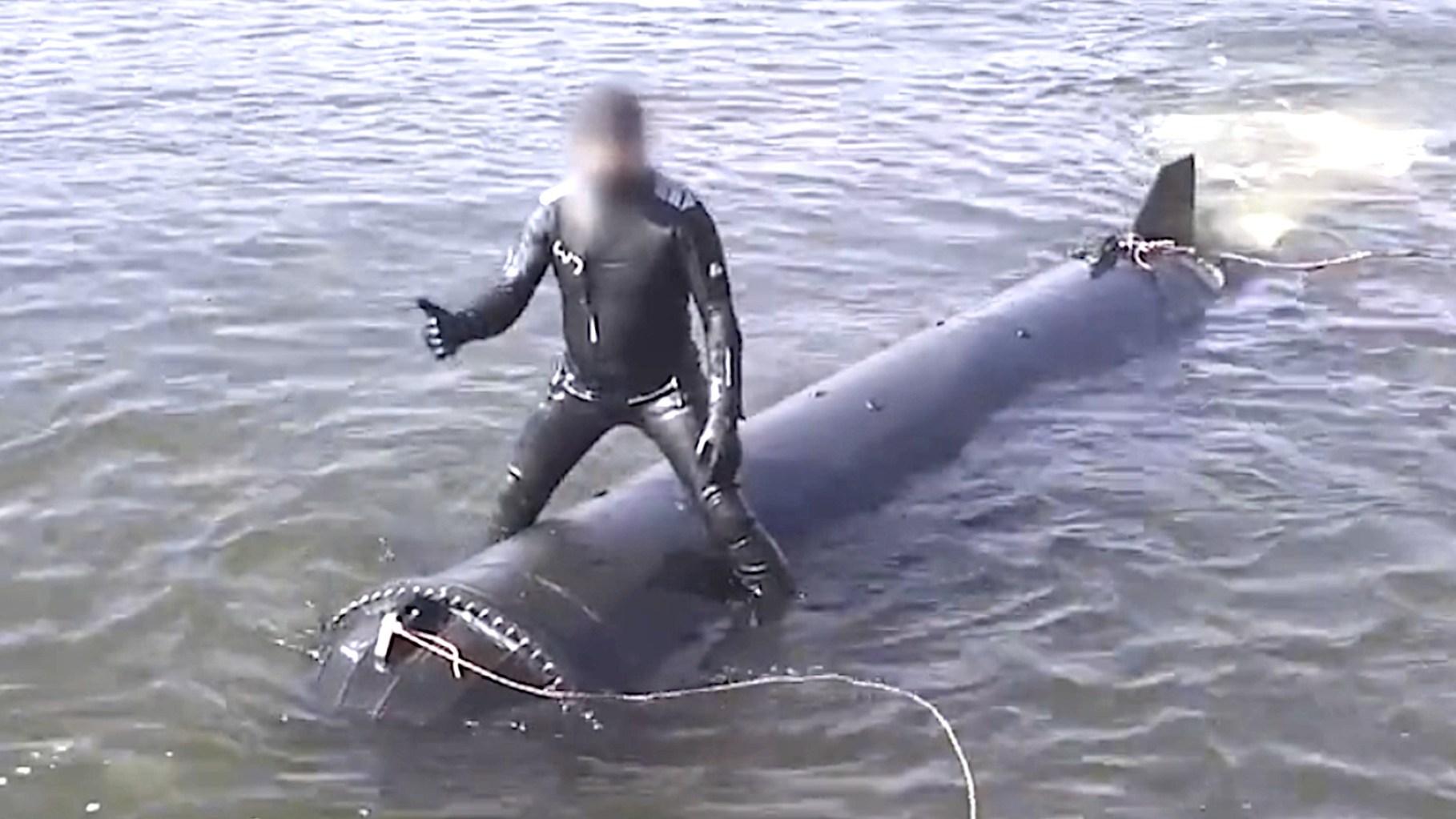
possible strike from a supercavitating torpedo [Pete Comment: Or a conventional torpedo or sabotage?] or an underwater drone, although
the exact cause remains under investigation. Following the incident, a Russian
naval ship arrived at the scene, demanding that Spanish vessels withdraw, which
further complicated the situation.
Conclusion
The Ursa
Major's sinking has significant geopolitical implications, particularly
concerning the relationship between Russia and North Korea, as well as the
ongoing tensions in international waters. The incident highlights the
complexities of maritime security and the clandestine transport of military
technology.”
[Much from WON Sunwoo at South Korean news site CHOSUN ILBO (here https://www.chosun.com/english/ and here https://en.wikipedia.org/wiki/The_Chosun_Ilbo ) December 31, 2025 Title “Russian ship sunk transporting nuclear submarine reactor to North Korea” at https://www.msn.com/en-xl/news/other/russian-ship-sunk-transporting-nuclear-submarine-reactor-to-north-korea/ar-AA1Ti97k?cvid=6953fedfa898469392b7bba19ac42889&ocid=hpmsn “Analysis suggests this aligns with evidence that North Korea is receiving Russian nuclear technology in exchange for deploying troops to support Russia’s invasion of Ukraine… The sinking coincided with confirmed reports of over 10,000 North Korean troops being deployed to support Russian forces in Ukraine.” ]